Nurse I Can Deal Trauma Not Drama: A Designer’s Review
As a designer who spends more time staring at stitch simulations than I care to admit, I have learned that not every cute phrase translates well into thread. The market is flooded with digital embroidery files, but few pass the practical test of real-world application. Recently, I evaluated the Nurse I Can Deal Trauma Not Drama Retro design, and it stopped me in my tracks. This isn’t just another medical-themed graphic; it is a statement piece that balances humor with professional pride. For those of us creating handmade products for healthcare workers, understanding how this design behaves under the needle is crucial before we commit to a final embroidery project.
First Impressions: Mood and Visual Personality
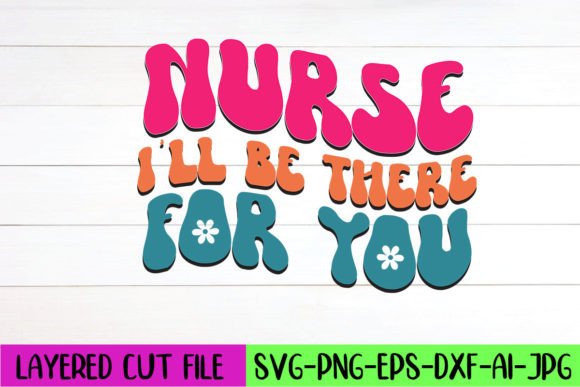
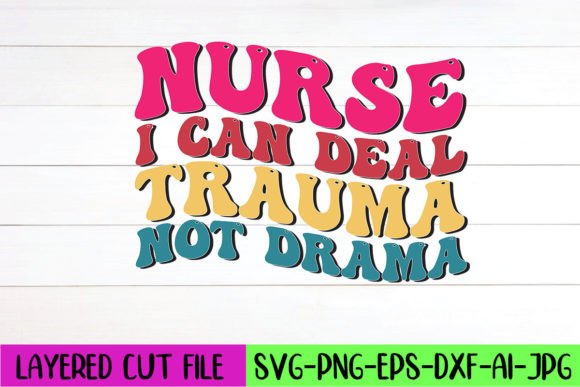
The first thing that strikes you about Nurse I Can Deal Trauma Not Drama Retro is its attitude. It captures the weary yet resilient spirit of nursing staff without being overly sentimental. The retro aesthetic suggests a vintage vibe, which is currently trending heavily in Crafts and apparel design. From a layout perspective, the typography appears bold and legible, which is essential for readability from a distance. When I visualize this as a machine embroidery design, I look immediately at the balance between negative space and filled areas. A design that is too dense will pucker lightweight fabrics, while one that is too sparse might lack impact on dark garments.
This particular design feels like it belongs on items that are meant to be seen and appreciated daily. It does not scream for attention with excessive ornamentation; instead, it relies on strong lettering and a clear message. For an Etsy seller or a small shop product creator, this clarity is gold. It means the design can scale reasonably well without losing its core identity, provided you respect the limits of your hoop size and thread capabilities.
Real-World Application: The Sweatshirt Test
To truly judge a design, you must imagine it on a specific substrate. I pictured this design embroidered on a heather grey crewneck sweatshirt, a staple in any nurse’s off-duty wardrobe. In this scenario, the Nurse I Can Deal Trauma Not Drama Retro design shines. The retro font style complements the casual, comfortable nature of the garment. If I were producing this for a client, I would likely use a combination of satin stitch for the borders and a lighter fill stitch for any graphical elements to keep the garment flexible and comfortable to wear.
However, the application extends beyond apparel. Imagine this as a tote bag design for a nursing student or a seasoned practitioner carrying their gear. On canvas or heavy cotton, the design would hold up beautifully, offering durability against daily wear and tear. It also works wonderfully as an embroidered patch. Patches are versatile; they can be ironed onto scrubs (where permitted), backpacks, or lunch bags. Creating a patch allows you to perfect the stitching on a stable backing before applying it, reducing the risk of ruining a expensive garment.
Versatility in Gift Giving and Retail
For those focusing on personalized gifts, this design is a strong contender for holiday seasons or Nurse Week. It fits naturally into categories like holiday embroidery or appreciation gifts. A pillow cover featuring this quote could be a humorous yet touching addition to a break room or a home office. The key here is context. The design’s tone is witty, so it pairs best with recipients who appreciate dry humor. As a craft business owner, knowing your audience is half the battle. This design speaks directly to those who live the reality of the caption, creating an immediate emotional connection that drives sales.
Technical Considerations for Embroiderers
While the aesthetic appeal is high, we must discuss the technical execution. The product description notes that you receive six types of files: SVG, PNG, EPS, AI, JPG, and DXF. It is vital to understand what these formats mean for your workflow. If you are using a cutting machine like Cricut or Silhouette for heat transfer vinyl (HTV) applications, the SVG and DXF files are your primary tools. However, if you are digitizing this for machine embroidery yourself, you will need to import the vector files (SVG, EPS, AI) into your digitizing software.
Important Note: The provided files are graphics, not pre-digitized embroidery files (such as PES, DST, or JEF). This distinction is critical. You cannot load an SVG directly into most standard home embroidery machines. You must either digitize it yourself or hire a digitizer. This offers creative freedom but requires skill. You will need to determine the appropriate stitch density and underlay stitches based on your chosen fabric.
Fabric and Hoop Constraints
When working with text-heavy designs like Nurse I Can Deal Trauma Not Drama Retro, fabric choice matters immensely. On textured fabrics like terry cloth towels or fluffy fleece, small details can get lost. I recommend using a cut-away stabilizer for stretchy fabrics like t-shirts to prevent distortion. For woven fabrics like aprons or tote bags, a tear-away stabilizer might suffice, but always test on scrap fabric first.
Be cautious with hoop size. If the design is large, ensure your machine can accommodate it. If you are scaling it down for a cap or a baby item, check the legibility of the smaller letters. Tiny lettering can become a tangled mess if the stitch count is too high for the size. Always run a test stitch-out on similar material to check for thread breaks or bird-nesting.
Enhancing Product Value and Brand Consistency
Using high-quality design assets like this elevates your brand. When customers see clean, well-executed embroidery, their trust in your finished product increases. This design allows for creativity in thread colors. While traditional medical themes often use blue or green, the retro style invites bolder choices like mustard yellow, burnt orange, or teal. Testing your design in black and white mockups can help you verify contrast and readability before you thread up your machine.
For commercial embroidery projects, consistency is key. If you are selling this as part of a collection, ensure that the stitch style matches your other products. Whether you choose a glossy rayon thread for shine or matte polyester for durability, the finish should align with your brand’s promise of quality. A well-stitched custom apparel piece becomes a walking advertisement for your skills.
Final Verdict for Makers and Sellers
The Nurse I Can Deal Trauma Not Drama Retro design is a robust option for designers and makers who understand the nuances of embroidery production. It is not a plug-and-play solution for beginners who expect ready-to-stitch files, but rather a versatile graphic resource for those who can digitize or convert it for their specific needs. Its strength lies in its relatable message and adaptable aesthetic.
Before launching this as a small business merchandise item, confirm the licensing terms. Ensure you have the right to sell finished physical items made with this design. Check the specific file compatibility with your software stack, whether that is Adobe Illustrator for editing or Silhouette Studio for cutting. By respecting the technical requirements and leveraging the design’s emotional resonance, you can create standout pieces that resonate with the nursing community. Whether for a baby embroidery project for a nurse’s new child or a bold statement on a work bag, this design holds significant potential when handled with professional care.