Blessed Nurse Sublimation: A Designer’s Real-World Review
As an embroidery designer who has spent years digitizing and testing files for everything from boutique apparel to high-volume craft fair merchandise, I approach every new machine embroidery design with a critical eye. It is not enough for a graphic to look pretty on a screen; it must hold up under the needle, survive the wash cycle, and resonate with the end customer. Recently, I evaluated the Blessed Nurse Sublimation asset to determine its viability for real-world stitching projects. While the product title suggests sublimation, my focus here is on how this graphic translates into a tangible embroidery project for nurses, healthcare workers, and the gift markets that serve them.
First Impressions and Visual Personality
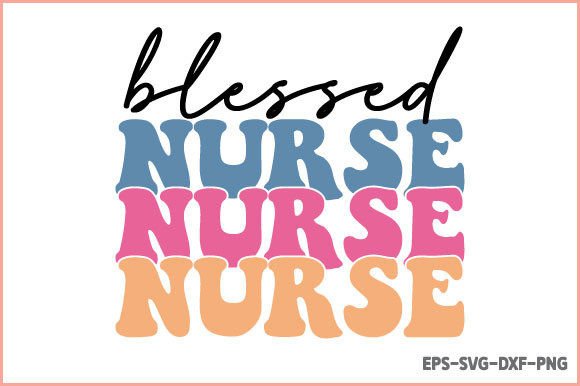
The first thing that strikes you about Blessed Nurse Sublimation is its inherent warmth. In the crowded market of medical-themed graphics, many designs lean too heavily into clinical sterility or overly complex medical imagery. This design, however, feels personal. It carries a mood of gratitude and pride, which is exactly what buyers are looking for when purchasing a personalized gift for a nurse. The layout appears balanced, offering a central focal point that draws the eye without overwhelming the surrounding negative space. For an embroiderer, this balance is crucial. It suggests that the design can scale reasonably well, provided the details are managed correctly during the digitizing or selection process.
From a Crafts and Graphics perspective, the visual personality is versatile. It does not scream "uniform," which allows it to transition smoothly from professional settings to casual wear. This versatility is key for small business owners who need one strong design asset to serve multiple product lines.
Real-World Application: The Custom Tote Scenario
To truly test the potential of this design, I mentally walked through a common client request: a custom embroidered tote bag for a nursing graduation gift. Tote bags are popular, but they present specific challenges due to the fabric texture and the item's structural flexibility. Using Blessed Nurse Sublimation in this context requires careful planning. If the design includes fine lines or small text, these could get lost in the weave of a canvas tote. However, if the graphic relies on bold shapes and clear typography, it becomes a standout feature.
I envision this design working exceptionally well on a heavy-duty cotton tote. The contrast between the thread colors and the natural fabric would highlight the "Blessed" sentiment, making it a cherished keepsake. For an Etsy seller, this type of application adds significant perceived value. It moves the item from a generic accessory to a meaningful tribute. The same logic applies to sweatshirt embroidery. A crewneck sweatshirt provides a stable, flat surface that allows the stitch work to shine. Here, the design acts as a badge of honor, something a nurse might wear proudly during off-hours or while studying.
Navigating Technical Challenges
While the aesthetic appeal is strong, practical execution requires attention to detail. One must consider where this design should be used carefully. For instance, applying this to a curved surface like a cap requires a specialized approach. If the Blessed Nurse Sublimation graphic has a wide horizontal span, it may distort on the front panel of a baseball cap. In such cases, resizing or re-digitizing for a smaller hoop size is essential. Similarly, textured fabrics like pique polo shirts or waffle-knit towels can interfere with stitch clarity. If the design relies on subtle gradients or very thin running stitch outlines, these details might disappear into the fabric texture.
Another critical consideration is stitch density. If you are converting this graphic into an applique design, you must ensure the tack-down stitches are secure but not so dense that they create a stiff, cardboard-like feel on the garment. For direct embroidery, using a combination of satin stitch for borders and fill stitch for larger areas can create depth. However, excessive density on stretchy fabrics, such as performance scrubs, can cause puckering. Always use the appropriate stabilizer—cut-away for stretchy materials and tear-away for stable woven fabrics—to maintain the integrity of the finished product.
Enhancing Brand Value and Customer Trust
For commercial embroidery professionals and small shop product creators, the quality of the design directly impacts brand consistency. A clean, well-executed embroidery job builds customer trust. When a buyer receives a handmade product featuring Blessed Nurse Sublimation, they are judging not just the sentiment, but the craftsmanship. Crisp edges, consistent thread tension, and appropriate color choices signal professionalism. This design, when executed well, enhances the giftability of the item. It becomes more than just a shirt or a mug; it becomes a recognized symbol of care and dedication.
Moreover, using a cohesive design asset across different products—such as matching tote bag design elements with embroidered patch versions for badges—creates a strong brand identity. This consistency helps in creating recognizable design assets that customers associate with quality. Whether you are creating holiday embroidery gifts for staff appreciation or year-round custom apparel, the reliability of the source graphic is paramount.
Practical Notes for the Embroiderer
Before committing to a full production run, I always recommend a few practical steps. First, test the design on scrap fabric that matches your final product. This allows you to check thread colors against the background. Does the contrast pop? Is the text legible? Second, review the stitch density. If the file is provided as a digital download in a ZIP folder, ensure you have the correct format for your machine. Since the product description mentions receiving a ZIP file, verify if it contains actual embroidery formats (like PES, DST, or JEF) or just image files for sublimation. If it is purely a graphic for sublimation, you will need to digitize it yourself or hire a digitizer to convert it into a machine-readable embroidery file.
Additionally, inspect small details. Tiny lettering can be problematic in embroidery. If the word "Nurse" or "Blessed" is small, consider simplifying the font or increasing the size to ensure clarity. Test the design in black and white mockups to see how it reads without color reliance. This is particularly useful for printable mockup previews on your online store. Finally, always confirm licensing terms. If you plan to sell items featuring this design, ensure you have the right to use it for craft business purposes. Clear licensing protects your small business and ensures you can sell your finished product with confidence.
In conclusion, Blessed Nurse Sublimation offers a strong foundation for meaningful textile projects. By understanding its visual strengths and respecting the technical limitations of embroidery, designers and makers can create stunning, durable, and emotionally resonant products. Whether for a baby embroidery gift, a professional apron, or a decorative pillow cover, this design invites creativity and precision. Approach it with a tester’s mindset, and it will serve your portfolio well.