Cool Nurse Club Sublimation: A Designer’s Review
As an embroidery designer who spends more time staring at digitizing software than I do sleeping, I have learned to be skeptical of generic graphics. We see thousands of designs flood the market every week, promising versatility and ease of use. However, when a file like Cool Nurse Club Sublimation lands on my desk, my first instinct is not to stitch it immediately, but to analyze its potential for real-world application. This is not just about whether the image looks cute on a screen; it is about how it translates into thread, how it holds up on fabric, and whether it adds genuine value to a handmade product.
The description tells us this asset belongs to the Crafts and Graphics categories, delivered as a ZIP file. For those of us running small shops or managing craft businesses, the format matters less than the adaptability. While the title specifies "sublimation," experienced makers know that high-quality graphic assets are often the foundation for multiple production methods. The question is: can this design survive the transition from a flat digital print to the textured, dimensional world of machine embroidery?
First Impressions and Visual Personality
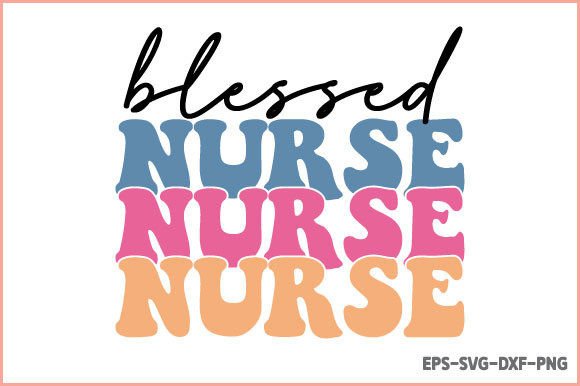
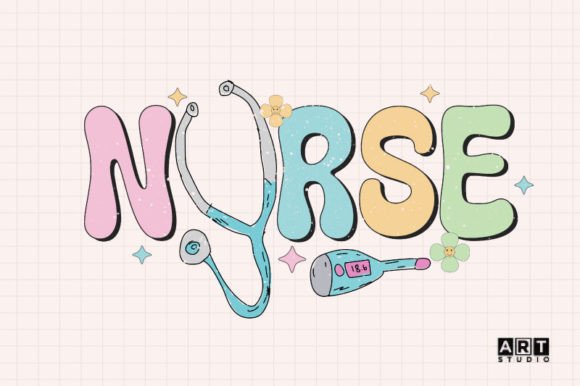
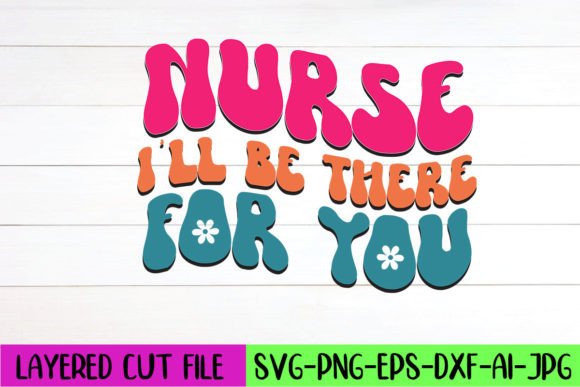
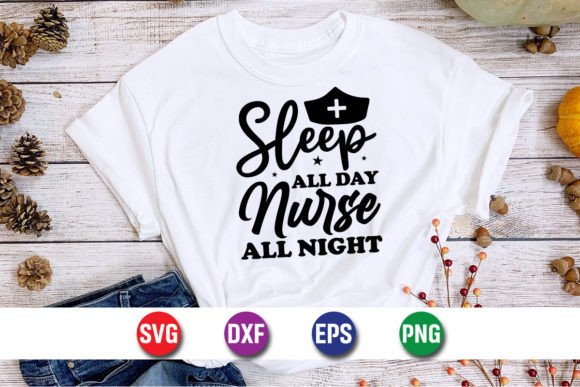
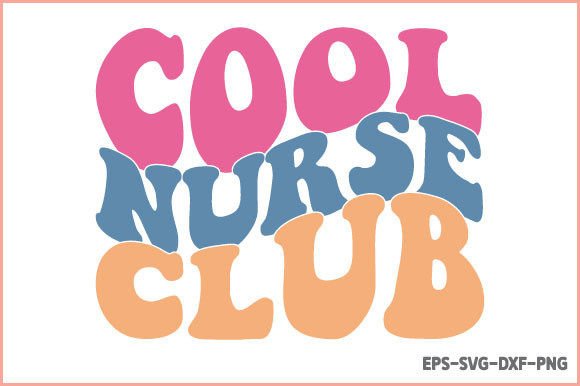
When I opened the files within the ZIP archive, the immediate mood was one of modern professionalism mixed with approachable warmth. The "Cool Nurse Club" theme suggests a departure from the sterile, clinical imagery often associated with healthcare. Instead, it leans into community, pride, and a bit of playful identity. For an embroidery project, this visual personality is crucial. It needs to look good on a breakroom sweatshirt just as much as it does on a boutique tote bag.
The layout appears balanced, which is a good sign for stitching. Designs that are too asymmetrical or have wildly varying element sizes can cause registration issues in the hoop. Here, the elements seem cohesive. If you are planning to convert this graphic into a machine embroidery design, the clear lines and distinct shapes suggest it would digitize well. You would likely rely on a combination of satin stitch for borders and text, and fill stitch for larger graphical elements. The key will be managing the stitch density so the final product does not become stiff or puckered.
Real-World Application: The Tote Bag Test
To truly evaluate a design, I imagine it in a specific scenario. Let’s say I am preparing a custom order for a nursing school graduation gift. The client wants a sturdy canvas tote bag design that is both functional and celebratory. This is where Cool Nurse Club Sublimation shines as a reference image.
If I were to embroider this directly, I would need to consider the fabric texture. Canvas is thick and stable, making it ideal for heavier stitch counts. However, if the original graphic has subtle gradients or very fine details, those might get lost in translation. In this case, simplifying the design for embroidery while keeping the core "Cool Nurse Club" branding intact would be the smart move. The result would be a durable, high-value handmade product that feels substantial in the hand. Customers trust embroidery because it lasts; unlike sublimation which can fade or crack over years of washing, stitched thread remains vibrant.
Alternatively, if you are an Etsy seller focusing on sublimation, this graphic is ready to go for mugs, signs, and wall art. But for those of us in apparel decoration, the graphic serves as the perfect mockup source. You can place the image on a digital preview of a sweatshirt embroidery project to show clients exactly what the vibe will be before you hooping a single piece of fabric.
Navigating Technical Challenges
While the aesthetic is strong, we must discuss where caution is needed. Not every surface is friendly to complex graphics. If you are attempting to put this on a curved surface like a cap, you must be mindful of distortion. Caps require specialized digitizing to account for the curve, and a design intended for flat sublimation might need significant adjustment to look right on a structured hat.
Similarly, consider the hoop size. If the design is large, you might need a 5x7 or 6x10 hoop. Always check the dimensions provided in the ZIP file or measure the graphic yourself before committing. Stitching on stretchy fabrics, such as performance scrubs, requires a cut-away stabilizer to prevent the design from warping after wear. Without proper stabilization, even the best embroidery file can look amateurish.
Another critical factor is color contrast. The "Cool Nurse Club" theme likely involves specific brand colors. When translating this to thread, ensure your thread colors pop against the garment. A dark navy scrub top might swallow up dark blue threads, so you may need to adjust the palette for visibility. Testing the design in black and white mockups can help you identify if the contrast is sufficient for readability from a distance.
Enhancing Product Value and Brand Consistency
Why does this matter for your business? Because consistency builds trust. Whether you are selling custom apparel, embroidered patches, or baby embroidery items, the quality of your design reflects the quality of your brand. Using a cohesive graphic like Cool Nurse Club Sublimation allows you to create a product line. Imagine matching sets: a sublimated mug for the breakroom, an embroidered apron for home use, and a stitched pillow cover for relaxation. This cross-product consistency increases buyer engagement and perceived value.
For commercial embroidery projects, clarity is king. Busy nurses do not have time to decipher messy logos. The clean lines of this graphic ensure that the message is received instantly. This professionalism translates to higher customer satisfaction and repeat business. When a client receives a personalized gift that looks crisp and well-executed, they are more likely to recommend your small shop to colleagues.
Practical Notes for the Maker
Before you launch into full production, here are my recommended steps for working with this asset:
- Test on Scrap Fabric: Never stitch directly on your final garment. Use a similar fabric scrap to test tension and density.
- Check Licensing: The ZIP file contains the graphics, but always confirm the license terms. Can you sell finished physical items? Can you resell the digital file? Most commercial licenses allow for finished products but prohibit sharing the raw file.
- Digitize with Care: If you are converting this sublimation graphic to an applique design or standard embroidery, pay attention to underlay stitches. Good underlay prevents shifting and ensures the top stitches sit smoothly.
- Consider Hybrid Methods: Sometimes, the best result is a hybrid. Use sublimation for complex background colors and embroidery for the main "Cool Nurse Club" text. This reduces stitch count and keeps the garment flexible.
- Mockup Variety: Create printable mockup images showing the design on various items like kitchen towels, birthday cards, and scrapbooks to showcase versatility to your customers.
In conclusion, Cool Nurse Club Sublimation is a versatile asset that bridges the gap between digital graphics and tactile crafts. For the experienced designer, it offers a solid foundation for creating high-quality design assets that resonate with healthcare professionals. By respecting the technical limitations of embroidery and leveraging the visual strength of the graphic, you can create finished products that are not only beautiful but also durable and meaningful. Whether you are a hobbyist making gifts for friends or a seasoned craft business owner expanding your inventory, this design deserves a spot in your creative toolkit.