Nurse Gnome Multilayered Paper Cut Review
As a designer who has spent countless hours digitizing and testing embroidery files, I have learned that not every graphic translates well to thread. Some designs look stunning on a screen but become a tangled mess of broken needles and puckered fabric once they hit the machine. When I first encountered the Nurse Gnome Multilayered Paper Cut, my initial reaction was one of cautious curiosity. The term "paper cut" usually implies sharp, clean lines and distinct layers, which can be tricky to replicate in embroidery without losing definition. However, after reviewing the layout and considering its potential application in real-world projects, I found this design to be a surprisingly versatile asset for crafters and small business owners alike.
First Impressions: Whimsy Meets Precision
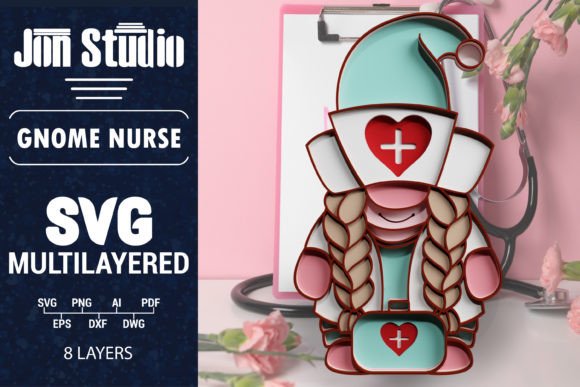
The visual personality of the Nurse Gnome Multilayered Paper Cut is immediately engaging. It strikes a balance between playful charm and professional thematic relevance, making it an ideal candidate for healthcare-related gifts or nursery decor. The gnome motif, adorned with nursing symbols, creates a mood that is both comforting and celebratory. For embroidery designers, the appeal lies in the layering. In paper crafts, layers create depth through shadow; in embroidery, we must achieve this through stitch type and color contrast. This design appears to rely on clear separation between elements, which is crucial for maintaining clarity when stitched out.
From a Crafts perspective, this falls squarely into the category of trending niche designs. Nursing is a massive market for personalized gifts, and combining it with the ever-popular gnome aesthetic creates a high-demand product. As a piece of digital Graphics, it offers a structured layout that suggests careful planning. The shapes are bold enough to survive the translation from vector to stitch, avoiding the tiny, fragile details that often frustrate hobbyists.
Real-World Application: The Custom Tote Bag Test
To truly evaluate a design, you must imagine it on a finished product. I visualized using this machine embroidery design on a canvas tote bag intended for a nurse’s graduation or a retirement gift. Canvas is a stable fabric, which is beneficial for designs with multiple layers. The Nurse Gnome Multilayered Paper Cut would sit prominently on the front, acting as the focal point. Because the design relies on layered aesthetics, using contrasting thread colors is essential. I would recommend a crisp white for the gnome’s beard and hat trim against a softer pastel or medical blue for the background layers. This contrast ensures that the "paper cut" effect remains visible and does not blend into a single blob of color.
Beyond tote bags, this design shines in custom apparel. Imagine it embroidered on the left chest of a scrub top or the back of a cozy sweatshirt. For a sweatshirt embroidery project, the bulk of the fabric can handle the density of the stitches, provided the stabilizer is chosen correctly. The whimsical nature of the gnome makes it approachable, while the nursing theme adds personal significance. This combination increases the perceived value of the handmade product, allowing Etsy sellers and boutique owners to command a higher price point compared to generic text-only designs.
Technical Considerations for Embroiderers
While the design is visually appealing, practical execution requires attention to detail. One must consider the stitch density. Multilayered designs can sometimes result in excessive stitch counts if not optimized. Before committing to a final embroidery project, it is vital to check the file specifications. Since the product description notes that these are digital multilayer layout files specially prepared for laser cut and CNC router machines, embroidery users must verify if a dedicated embroidery file format (such as PES, DST, or JEF) is included or if the graphic needs to be digitized separately. If you are working with the graphic as a reference for manual digitizing, pay close attention to the underlay stitches.
For those using it as a reference or if an embroidery version is provided, test the design on scrap fabric first. This step is non-negotiable for professional results. Check how the satin stitch borders hold up against the fill stitch areas. If the design includes tiny details, ensure your machine can handle them without thread breaks. On textured fabrics, such as terry cloth towels or fleece blankets, the smaller details might get lost. In such cases, increasing the size of the design or simplifying the thread palette can help maintain stitching clarity.
Fabric and Hoop Constraints
Where should you use this design carefully? Avoid placing it on highly stretchy fabrics without adequate stabilization. The layered nature of the Nurse Gnome Multilayered Paper Cut means there are multiple stop-and-start points for the machine. On unstable fabric, this can lead to registration issues where layers do not align perfectly. Additionally, be mindful of hoop size. Ensure the design fits comfortably within your hoop with enough margin for the frame to grip the fabric securely. If you are attempting to place this on a curved surface like a cap, consider breaking the design into smaller sections or using a specialized cap frame to prevent distortion.
Dark fabrics present another challenge. If the design relies on light-colored threads for the "paper" layers, you may need to use a top-stitching technique or add a solid fill underlay to prevent the dark fabric from showing through. This affects the overall visual appeal and professionalism of the finished product. Always test on both light and dark backgrounds to determine the best thread combinations.
Commercial Value and Brand Consistency
For small shop products and commercial embroidery ventures, consistency is key. The Nurse Gnome Multilayered Paper Cut offers a distinctive look that can help build brand recognition. When customers see a high-quality, well-executed gnome design, they associate that quality with your brand. This builds trust and encourages repeat business. Whether you are creating baby embroidery items for a nursery or holiday embroidery gifts for healthcare workers, the design’s versatility allows it to fit various seasonal campaigns.
Moreover, using such specific niche designs helps in creating targeted printable mockup assets for online listings. A clear, attractive image of the embroidered gnome on a tote bag or apron can significantly boost buyer engagement. It tells a story and evokes an emotional response, which is far more effective than a plain product photo. For creative entrepreneurs, this design serves as a strong design asset that can be marketed across multiple platforms.
Final Designer Notes
Before integrating the Nurse Gnome Multilayered Paper Cut into your workflow, confirm the licensing terms. Ensure that the license allows for commercial use if you plan to sell personalized gifts or embroidered patches. Verify the file formats provided. If the package only contains vector or raster graphics for cutting machines, you will need to digitize it for embroidery, which requires additional skill and time. If an embroidery file is included, check the stitch count and estimated run time to plan your production schedule efficiently.
In conclusion, this design holds significant promise for makers who value both aesthetics and practicality. By respecting the technical constraints of embroidery and leveraging the design’s charming theme, you can create standout products that resonate with customers. Whether for a craft business or a heartfelt personalized gift, the Nurse Gnome Multilayered Paper Cut is a worthy addition to your creative toolkit, provided you approach it with the right preparation and eye for detail.