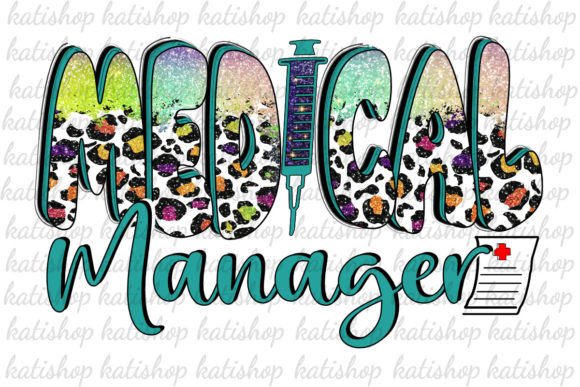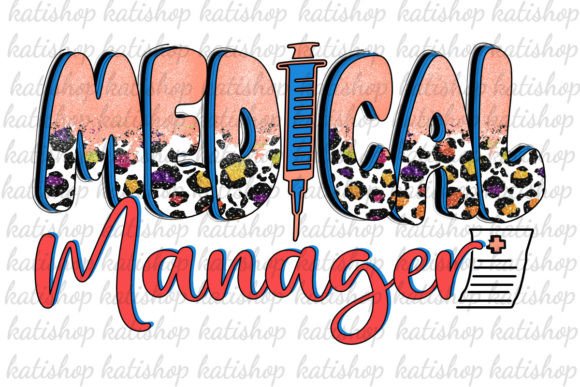
Reviewing Medical Manager Nurse Life Sublimation
As a designer who has spent countless hours digitizing and testing patterns for real-world application, I approach every new asset with a critical eye. We are not just looking at pretty pictures; we are evaluating how a design translates from a screen to a tangible finished product. Today, I am taking a close look at Medical Manager Nurse Life Sublimation. While the title suggests a sublimation focus, many of us in the craft business world often repurpose high-quality graphics for various applications, including heat transfer vinyl, direct-to-garment printing, and even as reference layers for complex embroidery projects.
First Impressions and Visual Personality
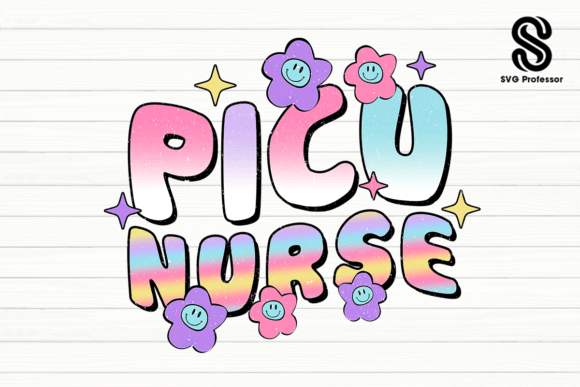
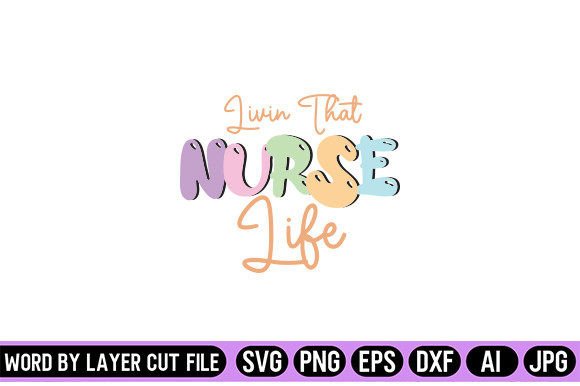
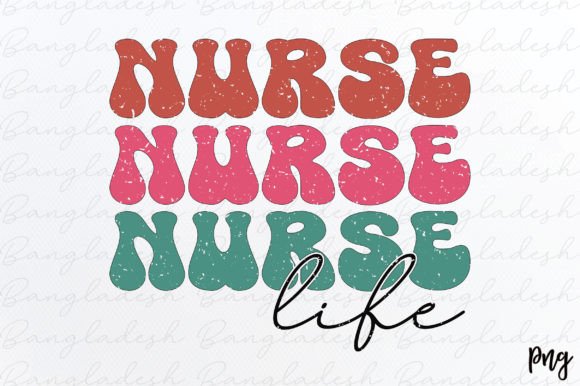
When I first opened the file, the immediate impression was one of professional pride mixed with personal identity. The theme resonates deeply with the nursing community, a demographic that values both their career and their personal style. The layout appears balanced, avoiding the cluttered look that plagues so many niche designs. For an Etsy seller or a small shop product creator, this clarity is vital. A design that reads well from a distance is essential for apparel, where the viewer might only glance at the shirt for a second.
The visual personality here is bold yet respectful. It does not rely on overly cutesy elements that might alienate older professionals, nor is it so sterile that it lacks warmth. This balance makes it a versatile candidate for a wide range of design assets. Whether you are creating a personalized gift for a nurse manager or stocking your online store with custom apparel, the mood strikes the right chord of appreciation and authority.
Real-World Application: The Tote Bag Scenario
To truly evaluate any graphic, I imagine it in a specific use case. Let’s consider a heavy canvas tote bag, a popular item for healthcare workers who need to carry scrubs, books, and personal items. If I were using Medical Manager Nurse Life Sublimation for a sublimated insert or a printed panel on this bag, the 300 DPI resolution mentioned in the product details is crucial. At this resolution, the edges remain crisp, preventing that pixelated look that instantly devalues a handmade product.
However, if I were adapting this concept for embroidery, perhaps by using the graphic as a template for a satin stitch border or a fill stitch background, I would need to be mindful of the detail level. Complex gradients in a PNG do not translate directly to thread. An experienced embroiderer would simplify the color palette, choosing high-contrast thread colors that stand out against the fabric. For a navy blue tote, white and medical teal threads would create a striking, professional look that honors the recipient’s role.
Performance Across Different Products
Beyond tote bags, this design has potential across multiple categories within Crafts and Graphics. Consider sweatshirt embroidery or printing. A crewneck sweatshirt provides a large, flat surface area ideal for showcasing the full scope of the design. Here, the legibility of any text elements is paramount. If the original PNG includes small lettering, I advise testing it on a mockup to ensure it remains readable when scaled down for smaller garments.
For baby embroidery or children’s items, such as a onesie for a "nurse mom," the design might need significant simplification. Intricate details can become lost on small hoops, and dense stitching can make delicate fabrics stiff and uncomfortable. In these cases, using the graphic as inspiration for a simpler applique design might be more effective than attempting to stitch every detail. This approach reduces stitch count and improves comfort, which is a key selling point for parents.
Holiday embroidery is another avenue. Imagine this design incorporated into a Christmas ornament or a festive pillow cover. The professional theme adds a unique twist to traditional holiday decor, appealing to buyers looking for gifts that celebrate their loved ones' careers year-round. When used on home decor items like pillow covers, the durability of the print or stitch work becomes a priority, as these items undergo frequent washing and handling.
Technical Considerations and Fabric Choices
One must always consider the substrate. The product description notes that this PNG is mainly used for creating sublimation products like t-shirts, mugs, bags, and pillows. Sublimation works best on polyester or polymer-coated surfaces. If you are an embroiderer looking to use this as a reference, remember that fabric texture plays a huge role in the final outcome. On textured fabrics like terry cloth towels or pique polos, fine details may get lost. In such cases, increasing the stitch density or opting for bolder lines can help maintain clarity.
Dark fabrics present another challenge. If you are transferring this design via heat transfer vinyl or using it as a guide for light-colored thread on dark fabric, you must ensure high contrast. A common mistake is choosing thread colors that blend too much with the garment. Always test your combination on a scrap piece of fabric first. This simple step saves time and materials, ensuring your commercial embroidery projects meet professional standards before they reach the customer.
Enhancing Brand Consistency and Value
For digital product sellers and creative entrepreneurs, consistency is key to building trust. Using high-quality base files like Medical Manager Nurse Life Sublimation allows you to maintain a cohesive look across your product line. Whether you are selling physical goods or printable mockups, the quality of your source image reflects on your brand. A crisp, well-designed graphic signals professionalism, encouraging buyer engagement and repeat business.
Moreover, understanding the licensing terms is essential. While this file is provided as a PNG for sublimation, if you plan to digitize it into an embroidery file for resale, you must confirm the commercial rights. Many designers allow the sale of finished physical items but restrict the resale of the digital design itself. Always check the specific license included with your purchase to protect your craft business from legal issues.
Practical Designer Notes for Best Results
- Test on Scrap Fabric: Before committing to a final product, always run a test stitch or print on a similar material to check for registration and color accuracy.
- Check Contrast: Ensure your thread or ink colors stand out against the background fabric. High contrast improves readability and visual appeal.
- Simplify for Small Hoops: If adapting for embroidery, reduce detail for smaller hoop sizes to prevent thread breaks and puckering.
- Use Proper Stabilizer: For stretchy fabrics like t-shirts, use a cut-away stabilizer to support the design and maintain shape after washing.
- Verify Licensing: Confirm whether the license permits commercial use for finished goods or if it is for personal use only.
- Mockup in Black and White: Convert the image to grayscale to check value contrast. If it looks muddy in black and white, it may lack definition in color.
In conclusion, Medical Manager Nurse Life Sublimation offers a solid foundation for creators targeting the healthcare niche. Its strength lies in its clear theme and professional aesthetic. By understanding its limitations and adapting it thoughtfully to your chosen medium—whether sublimation, embroidery, or print—you can create high-value items that resonate with your customers. As always, the difference between a good product and a great one lies in the attention to detail during the production process.